

Any Thinksters who have been in physical or virtual proximity to me over the last year have likely suffered at least one whinge session about “the Glorifier”. The especially fortunate have suffered several. I’m relieved to say that, at long last, the whinges are over.1 In this post, I’m going to walk through the travails of producing the Glorifier mostly as a cathartic exercise but extracting a few lessons from the experience.
Our story is told in seven parts:
- The Setup
- The Quest
- The Disappointment
- The Scratching
- The Assembly
- The Results
- The Lessons
Let’s get started.
The Setup
Right from the first time we had booths at BlackHat and RSA, we committed to performing demonstrations. So many security products don’t do what they say, or are super complex to use, or don’t make any sense. They don’t demo well, or are far too convoluted to show value in a short demonstration. We’ve worked really hard in refining and trimming our message, so we can describe and show Canary in under 3-minutes. This is unusual; live demonstrations are the exception and not the rule at these expos. It’s an early opportunity to delight a prospective Customer by showing, not telling.
Our booths have several demo stations, and on every demo stations we have two Canaries. Each bird serves a particular purpose: one is always live and ready to go, and the other is in the in-flight state waiting to demo how the Canary is shipped to Customers. In our early booths, the Canaries simply lay flat on the table surface next to the demo laptop. It encouraged people to try to pick them up, but this caused brief panic because the Canaries were plugged in. So we needed a better solution.
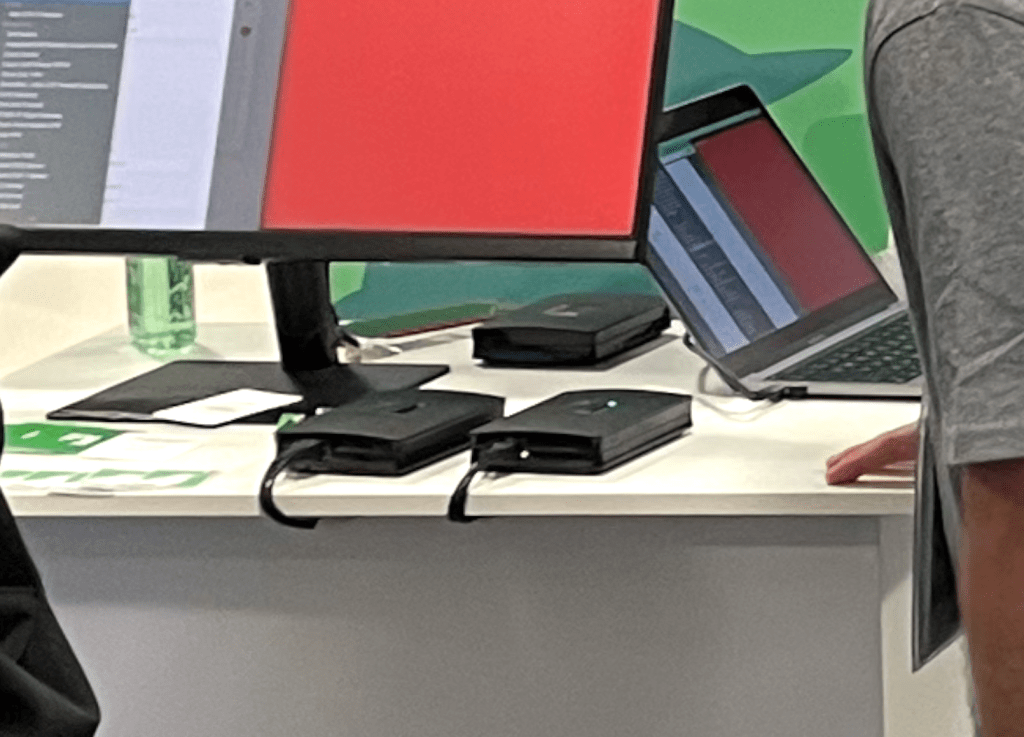

We started to hack away at the problem over several years. For a while we jury-rigged little stands out of the Canary boxes and duct tape, and this discouraged attendees from trying to pick them up. But they were not polished and lacked class. In the pictures above, the cables awkwardly hang in front of the birds. At RSA last year, we went looking for a better option and Benjamin found a makeup box that, when spray-painted white and flipped over, did a pretty good job at holding the birds. We obviously had to “modify” it to route cables, but it worked much better than the cardboard boxes. This is what is looked like:

A key part of the in-flight demo is to power-on the Canary, and none of these solutions were clean. We’ve screwed USB connectors under tables, taped them to cardboard boxes, and hot glued them behind makeup boxes. All were hacks.
As good as the makeup box was, it still wasn’t perfect. At RSA, MH evidently was tired of hearing me go on about “a stand for the Canaries”, and said “go make it happen, let’s not be back here with the same complaints”. Thus started the Quest.
The Quest
A friend of mine happens to be an industrial designer and when I described what we were looking for, he said: “Oh, you want a product glorifier”. I immediately laughed, because, c’mon. But he insisted that was the actual name for this type of thing, and it turns out he’s right.
We didn’t have a clear idea on what the design should be. Previous Hackweek playing had yielded several possible designs. My thinking was to approach industrial design companies and work with them to find a design we liked. I wanted to find a one-stop-shop that could completely deliver a finished product to us. We contacted two companies in Cape Town and had meetings with them. We set broad goals for what we were interested in but made it clear that we were open to their design. Both companies went away and came back with designs, and they were all unworkable for us. In hindsight, even though I thought we were on the same page as the design companies, we very much were not.
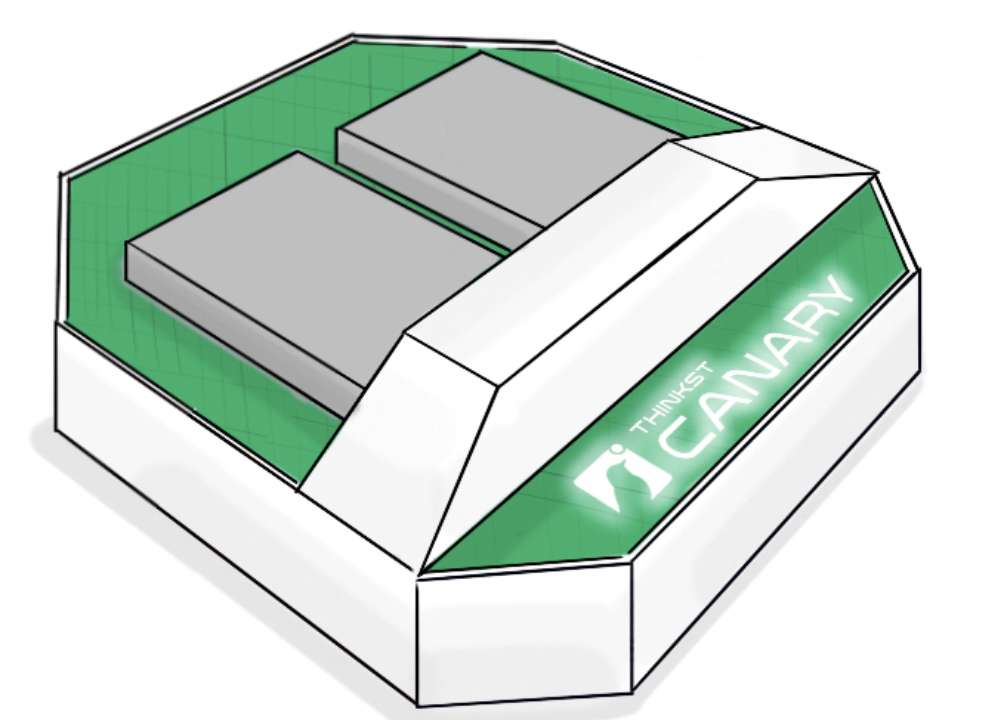
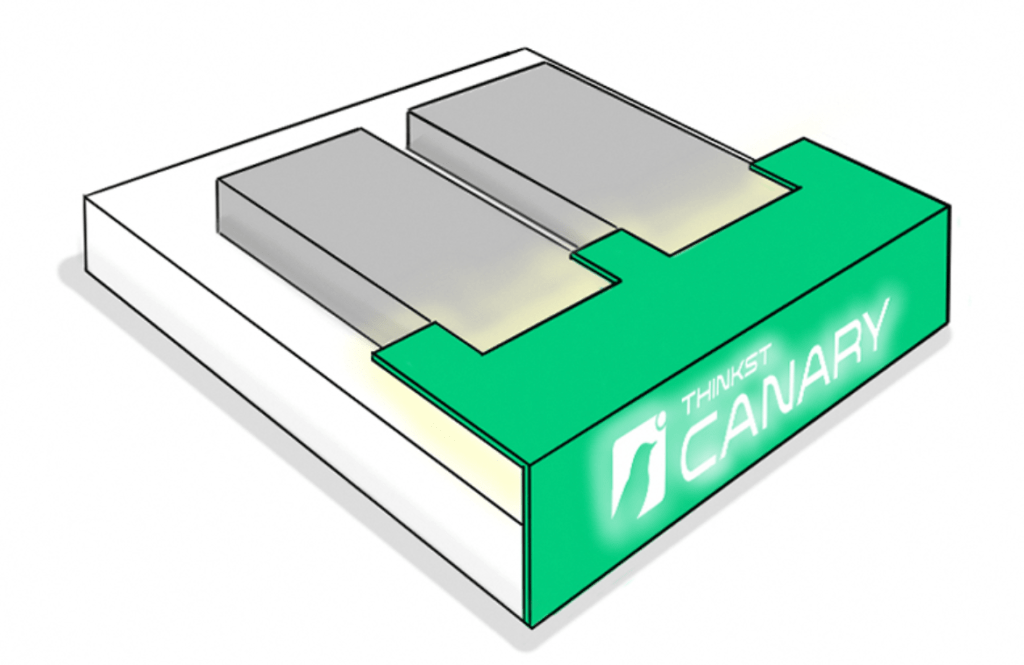
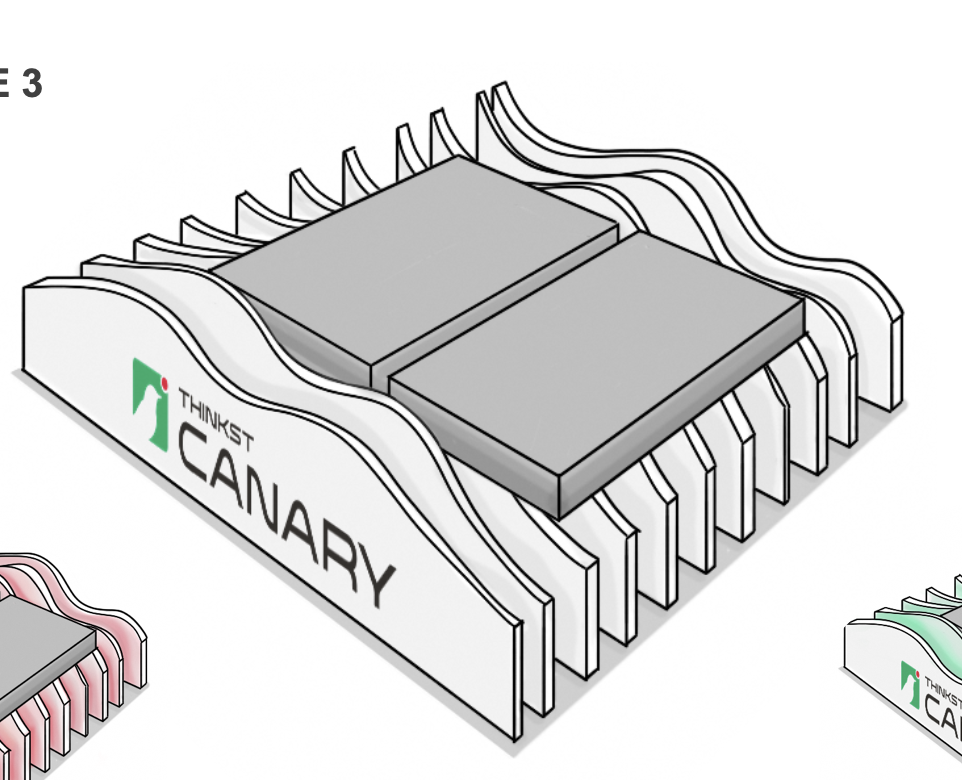
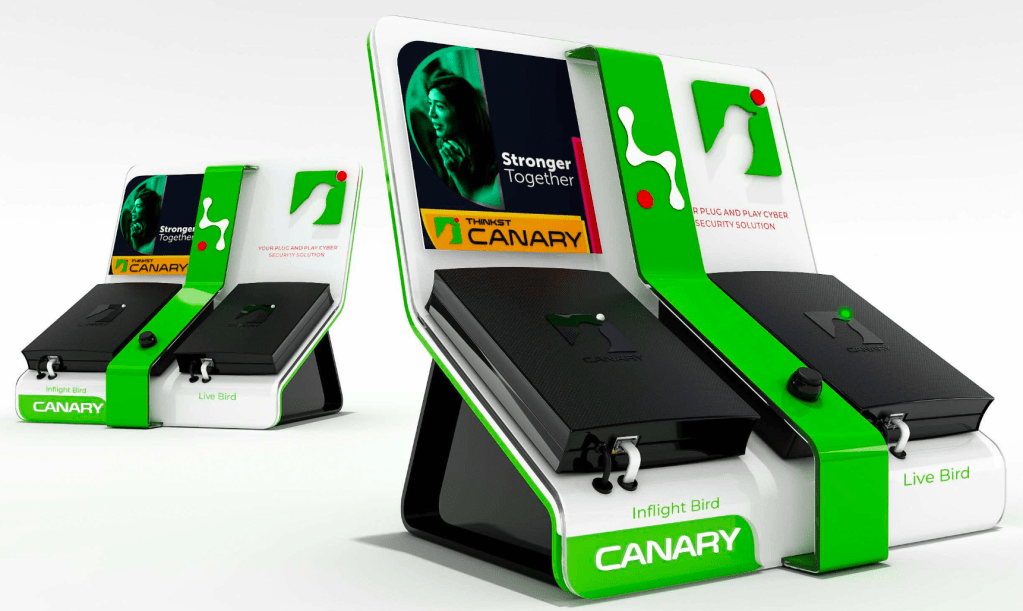
Their bread and butter work was designing plinths and glorifiers for things that have to stand out. Think of the chewing-gum racks next to the cashier in a grocery shop, or a bottle stand behind a bar for a particular liquor brand. These need to catch your eye because they’re competing for your attention with all the other products in that same space, and the design companies figured we’d also want that type of glorifier. Even after explaining (again) that our glorifiers will exist as a part of a much larger booth which screams our name & logo across meters of space, their updated designs didn’t seem like we were getting closer to agreement. We wanted a much, much more understated and refined glorifier, and they didn’t get it. We were now approaching BlackHat ’23 with no Glorifier in sight.
With BlackHat looming, Blake took a crack at designing an understated and simpler glorifier. We played a little with dimensions, and settled on a design. Anna had them rush 3D-printed and carried them from the UK to Vegas. And they worked! The design was just the housing, we had to hack cables and switches (again with hot glue). But it proved the physical design.
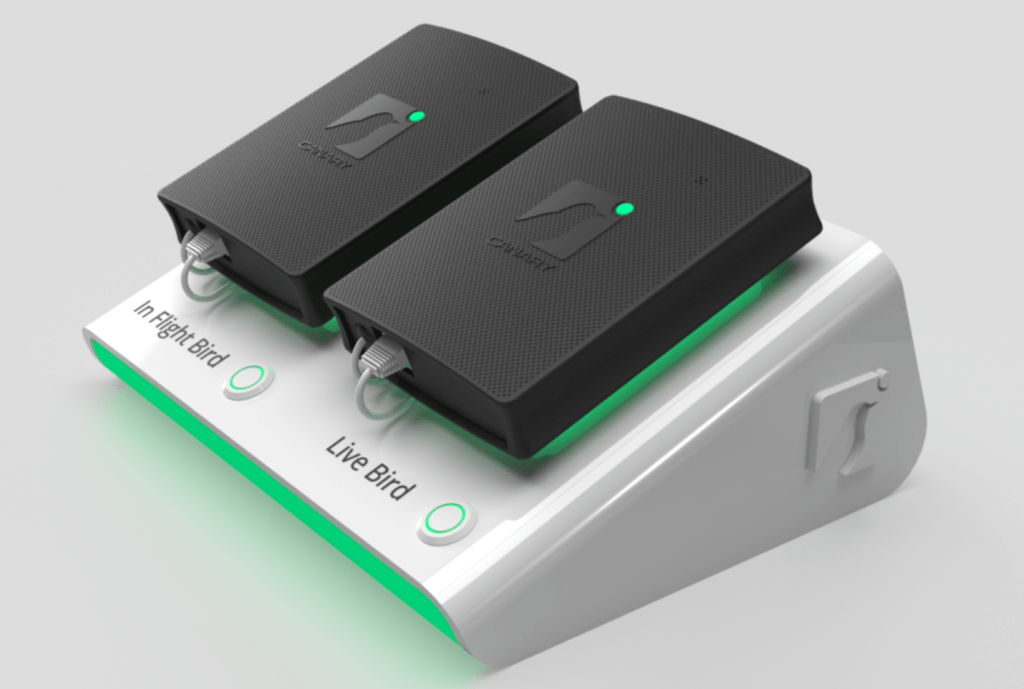
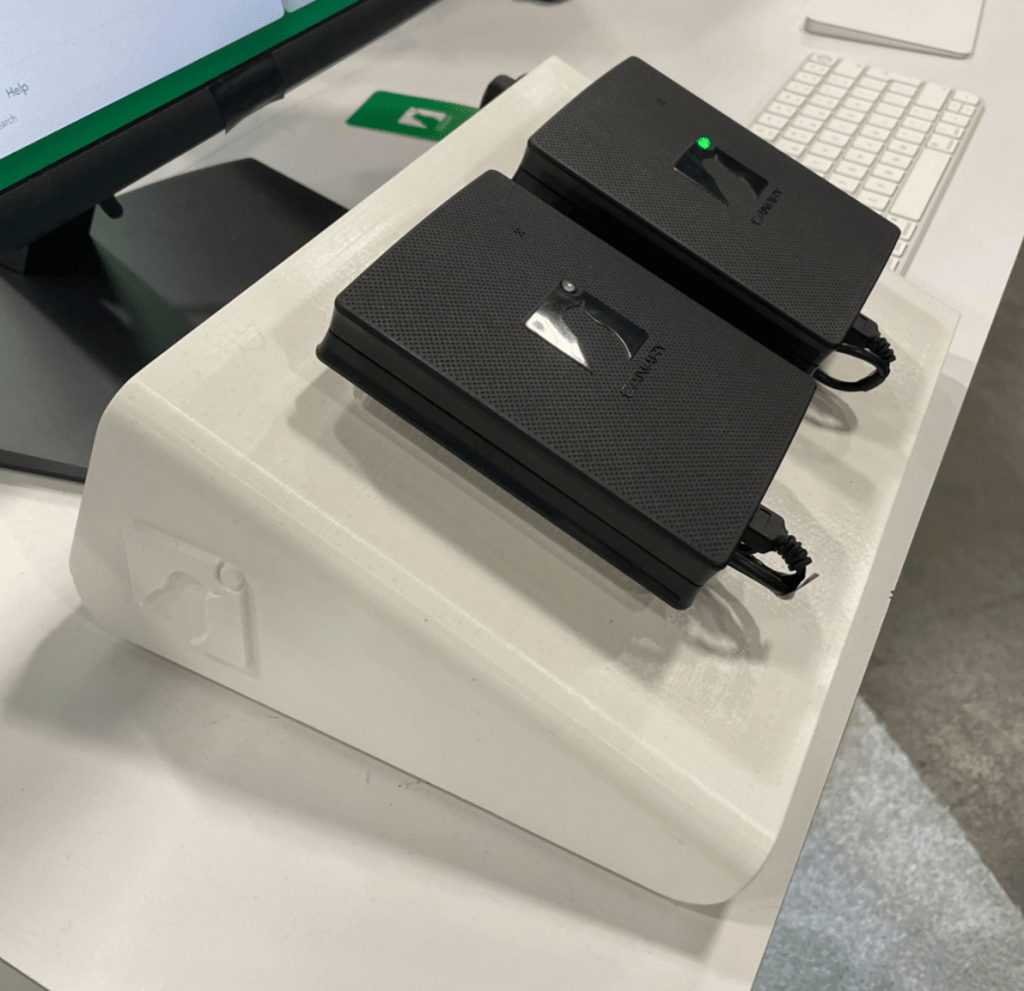
Turning from BlackHat, we re-approached one of the industrial design companies and asked whether they could manufacture Blake’s design. They responded positively and, unbeknownst to us at the time, we entered The Disappointment.
The Disappointment
The set of interactions between the industrial design company and us to get the glorifier manufactured would have cost me all my hair, had I any. Every question was met with another question, they seemed unable to actually assist with locating components, and went silent for long periods. Without belabouring this, it was pretty frustrating. Every story like this has two-sides, and I’m sure I could have interacted better with them, but it was just so slow. Eventually, in February this year when our shipping deadlines for RSA ’24 were approaching they stated they couldn’t make the deadlines and that was the end of that.
In hindsight, I can understand why they might be uninterested in a small run of a product. We wanted low numbers, around 10, and they may have had concerns about margins. But they never expressed it and as a Customer it suuuuuucked to be dropped like that.
With RSA now barreling towards us, it needed active engagement. A one-stop-shop was off the table, but maybe we could find suppliers of the different parts, and assemble it ourselves? And so we built a BOM and start scratching around for suppliers.
The Scratching
Bill-of-Materials: (n) A list of all the components that make up a product.
The BOM for a single Glorifier is tiny:
- 1 x Acrylic housing
- 2 x 3D-printed glowstackers
- 2 x buttons
- 2 x 1.8m USB cable
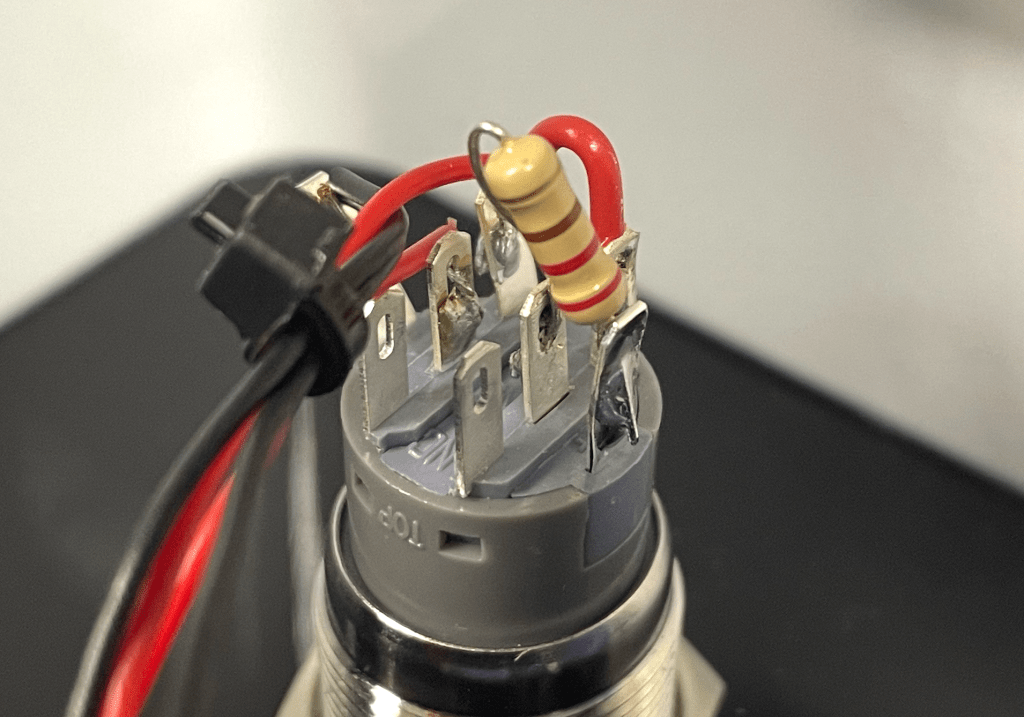
- 2 x 220 Ohm 1/4 W resistors
- 2 x 3D-printed U-bends for cable management
- 4 x cableties
- 1 x hookup wire
The main thing to get done was the acrylic housing. Without it, there simply was no glorifier. We took Blake’s design to Clear Design Display in Cape Town, and they said they could have eight units completed by April 11. On April 11 at ~14:00, I got an email saying the units were ready!
In parallel La’eeqah approached Chillipepper 3D to print the glowstackers, and they produced those. She also ordered the switches, cables, and other components.
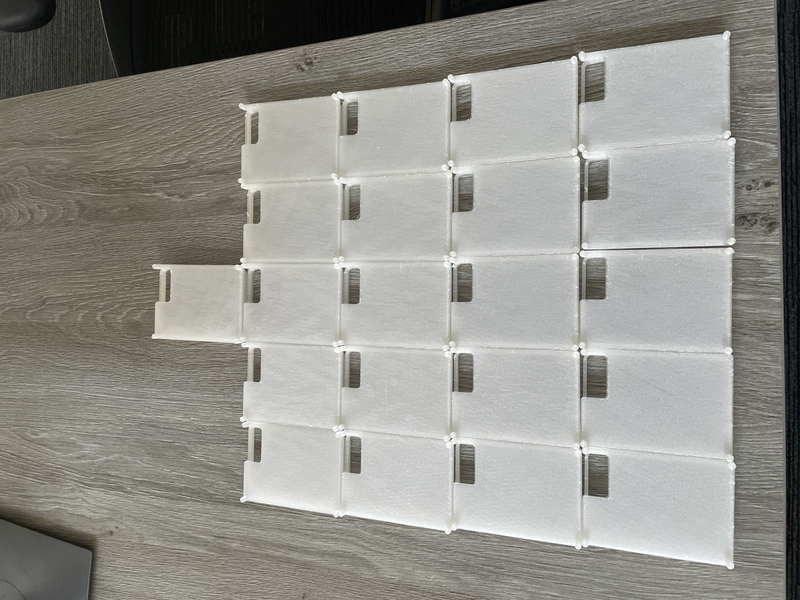
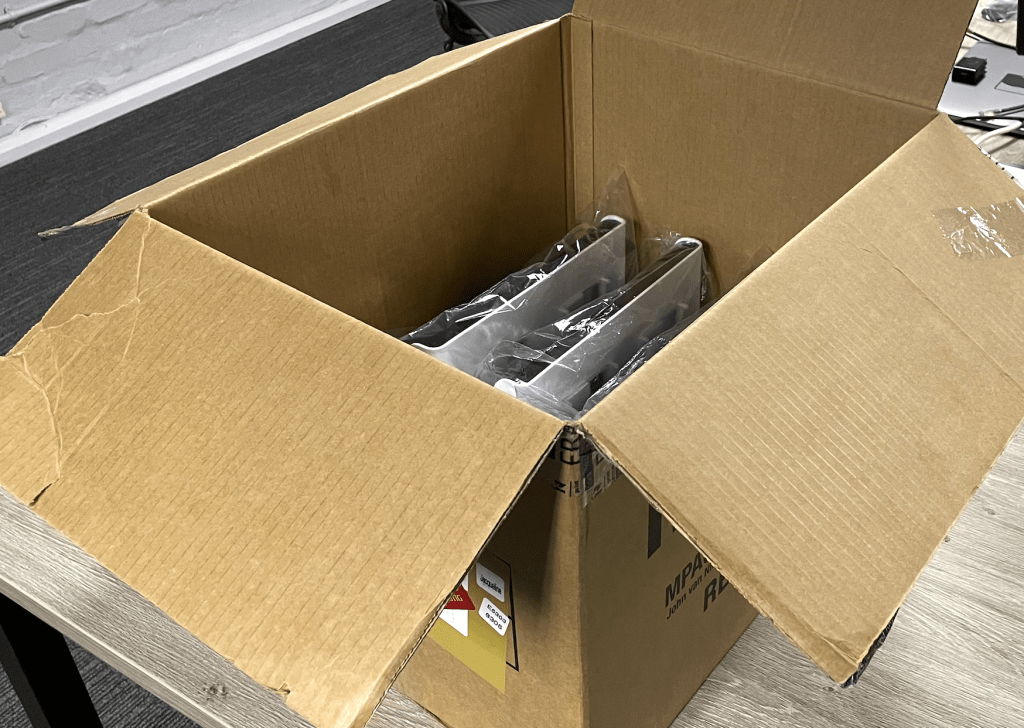
With all these finally in one place, we were ready to assemble the units.
The Assembly
Keep in mind that prior to this point, everything had just existed in design documents. I was legitimately nervous about things fitting together. The switch we ordered said it needed a 20mm diameter hole… but how neatly would it fit? Would the USB plugs fit through the switch flange? Would the switch’s ring LED work in parallel with our Canaries on our standard power supply? All were unknowns and the timelines were tight to resolve if issues cropped up.
The absolute final pre-RSA shipping deadline was Monday April 15. The previous Thursday was the first time we figured the wiring diagram, and assembled a working unit!
The wiring harness is janky and hand-soldered, but it works. The switches also needed to be hand-painted with nail polish.
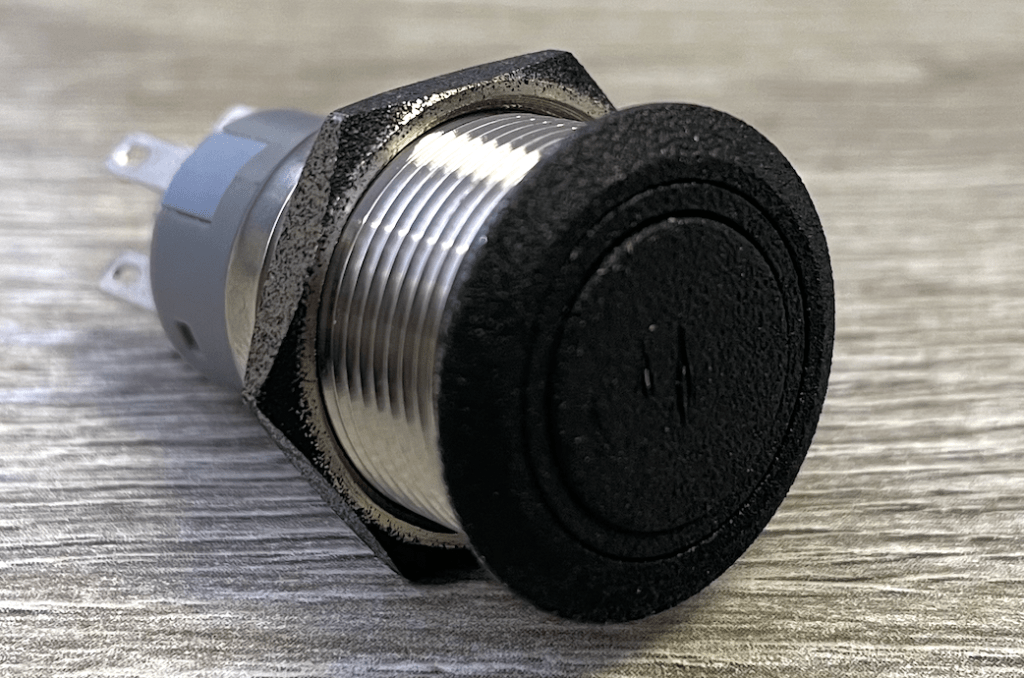
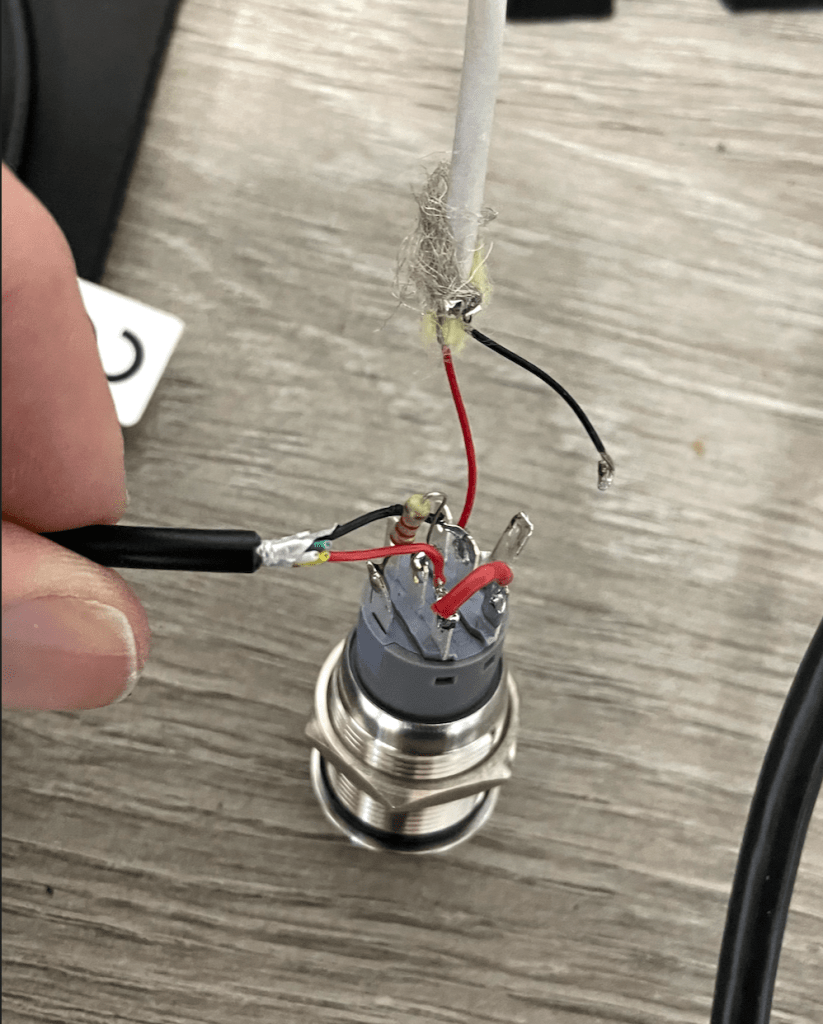
Between Friday and Saturday we assembled the remaining units ready for shipping, and they made the RSA deadline.

Pieter even brought in his wife’s vinyl cutting machine and carved out red dots to place on the logo on the side. However the red dot was ultimately not used as Blake and MH felt it distracting.
The Results
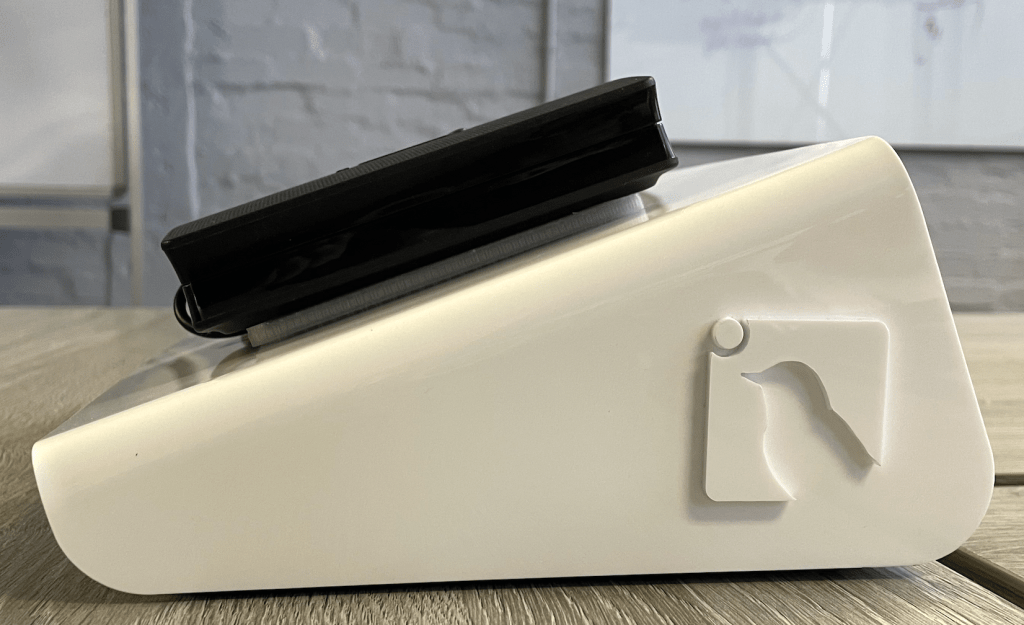
Here’s the final Glorifier we’ve taken to RSA ’24. It has made the setup much simpler, plugged the birds in and we were done. Previously this aspect occupied several hours, and is a step-change from our previous attempts.
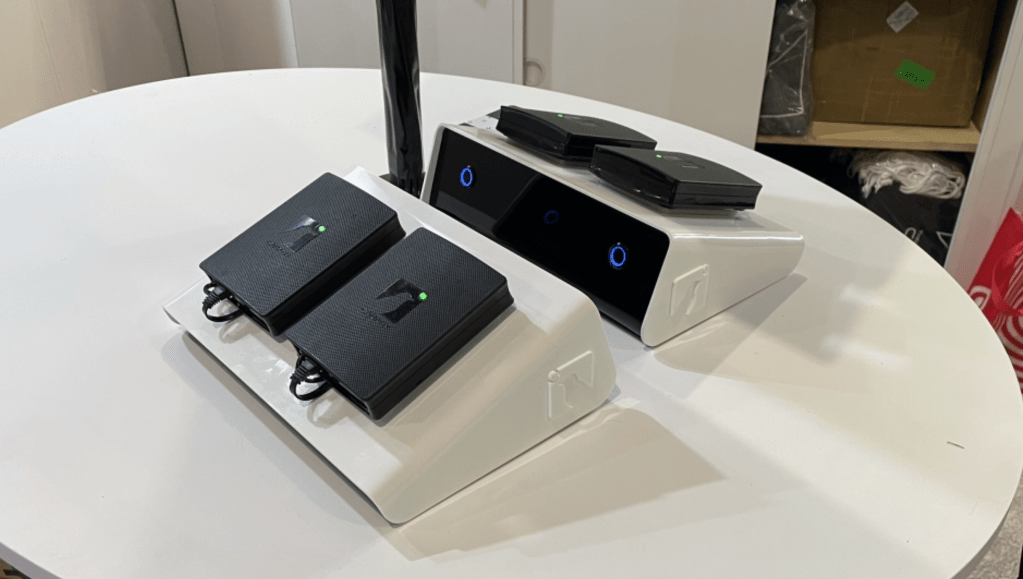
I also want to provide insight into a bunch of the design decisions.
Side-by-side birds on an inclined plane
Side-by-side matches the view on the Dashboard; there are two panels next to each other, and they line up with the birds on the glorifier.
The inclined plane raises the birds off the tabletop giving them prominence, and also makes them less of a target for picking up as they appear attached to the glorifier.
Glowstackers with cable gaps
The glowstackers are 3D printed from translucent material because we thought we might include lighting under the birds (hence the name “glowstackers”). However it comes across as too Tokyo-drift, so we nixed the lights. The other function of the glowstacker is to hold the bird in its four corner sockets, and lift the bird off the glorifier surface. This provides space for the power and Ethernet cables to quickly disappear out of sight into the body of the glorifier, which is a much better result than we had previously.

Easy cable management
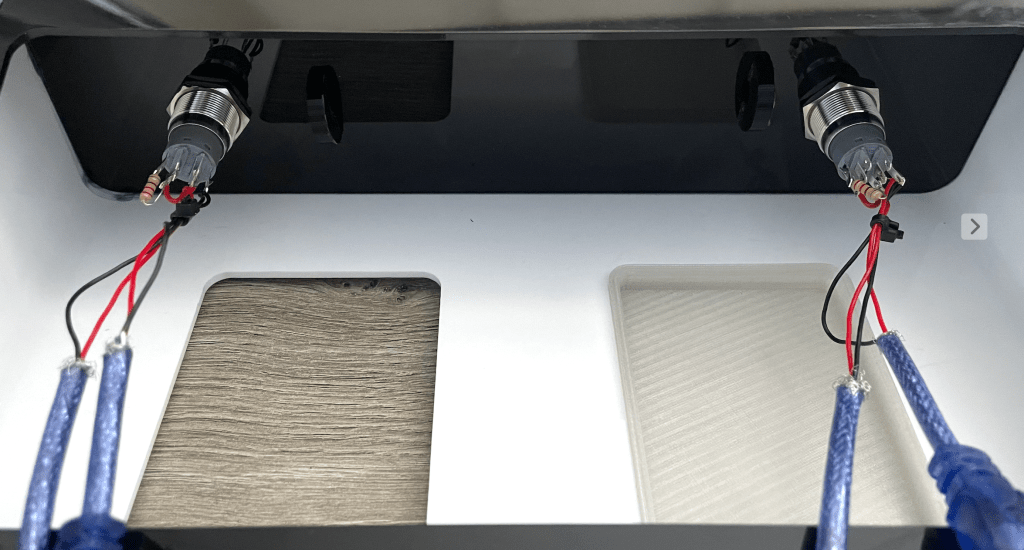
Power and Ethernet are routed through the glowstacker gap. The bottom surface of the glorifier is largely cutaway (instead of having a small hole underneath to route cables). This is intentional: it means the glorifier can be moved around on the demo station surface with more freedom, as we’re not trying to line up a hole in the demo station surface with a small hole in the underneath of the glorifier.
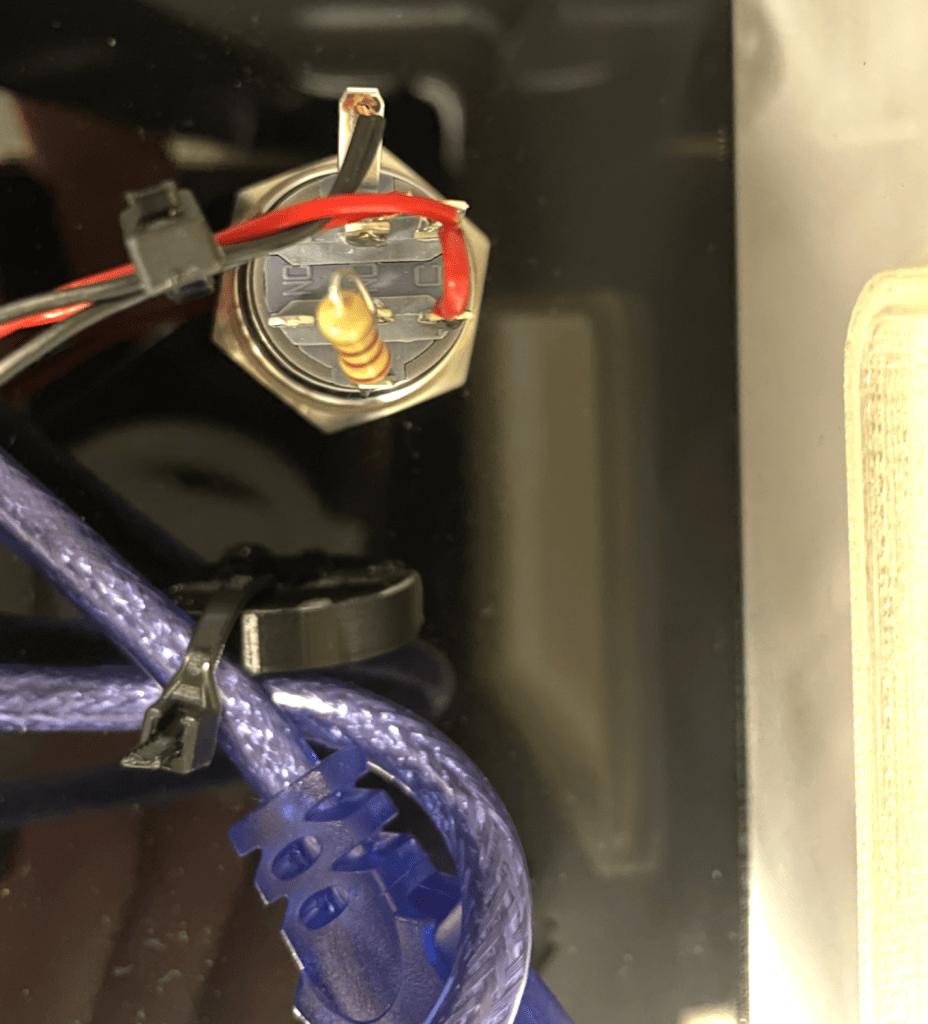
The cables are also attached to the inside of the glorifier so that light or medium tugs on the cables shouldn’t (hopefully) dislodge any of the solder joints. Please be gentle though, this isn’t QA’d.
Easy power control
Previously we hacked solutions to give us a way to power the birds on and off. Now the Canary’s USB simply is plugged into the female end of the internal USB cable, and the male end is threaded through the demo station surface to a power supply below. The switch on the back of the glorifier powers the birds on and off. If the switch is on, the switch glows blue and is in a physically different position when compared to the off position. This is a step up from our our switch attempts.
The Lessons
It might seem that the takeaway here is “if you want something done properly, you have to do it yourself”. I don’t buy it. The actual lesson here was that there wasn’t a meeting of minds in terms of the initial designs. I had assumed the design companies were used to more open-ended briefs, but from this experience it seems they want very specific instructions. Blake understands us because he is us, so he could get going with an open-ended brief; for folks who don’t know us, it’s unrealistic to expect them to quickly attune themselves to our wants. I will be much clearer in dealing with vendors in the future.
In any event, as a Customer being dropped by a vendor was a terrible experience. We don’t and we won’t willingly drop Customers, if something has gone sour then we try rescue before cutting loose.
Lastly, there is something to be said for persisting through the setbacks. Along the way there were several occasions when I thought we were going to be pulling the 3D printed units out of storage, but in the end I’m happy that the saga is finally complete.
Footnote
- Until we discover further improvements. ↩︎

